When the heat starts running more often, it is easy to judge your furnace by one thing: whether warm air comes out of the vents. But that does not tell you how well the burners, blower, venting and controls are working together.
For Central New Jersey homeowners with a gas furnace, a professional tune-up is a chance to check those parts before a small concern becomes a winter disruption. Our fall home maintenance checklist covers the whole house. This guide takes a closer look at the furnace: what maintenance involves, why it matters and what to ask at your next visit.
What Is a Gas Furnace Tune-Up?
A tune-up combines inspection, cleaning and operating checks. It goes beyond changing the filter, but it is not the same as repairing a failed part. The exact work depends on the furnace model, condition and manufacturer’s instructions. Ask what the visit includes and whether additional cleaning or repairs would be quoted separately.
Anthony’s Home Services provides furnace maintenance in Somerset and Central NJ. Our technicians are certified, and you can discuss your equipment and concerns when arranging service.
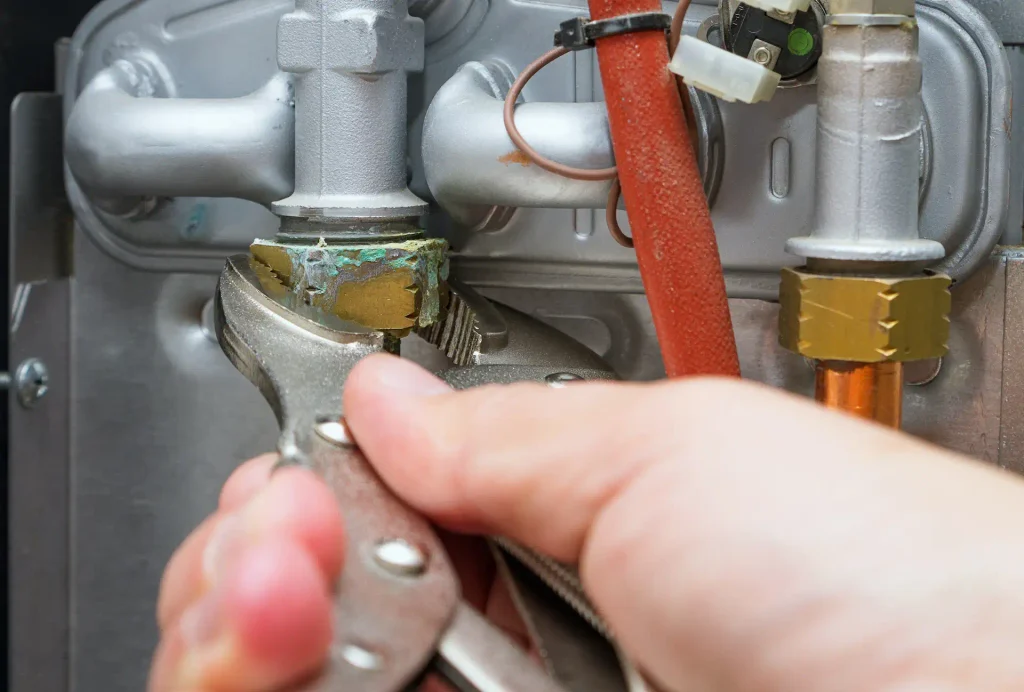
What Happens During a Multi-Point Gas Furnace Tune-Up?
The following are common areas of professional furnace maintenance. They are a guide to the conversation with your technician, rather than a fixed package that applies to every system.
1. Review Your Concerns and Check the Thermostat
Start with what you have noticed: a colder bedroom, frequent starts or an unfamiliar sound. The technician checks thermostat operation and observes how the furnace responds to a call for heat.
2. Inspect the Filter and Airflow
The filter, blower and return-air path affect how air moves through the system. A technician can identify restrictions and explain the correct filter for your equipment. A denser filter is not automatically a better fit.
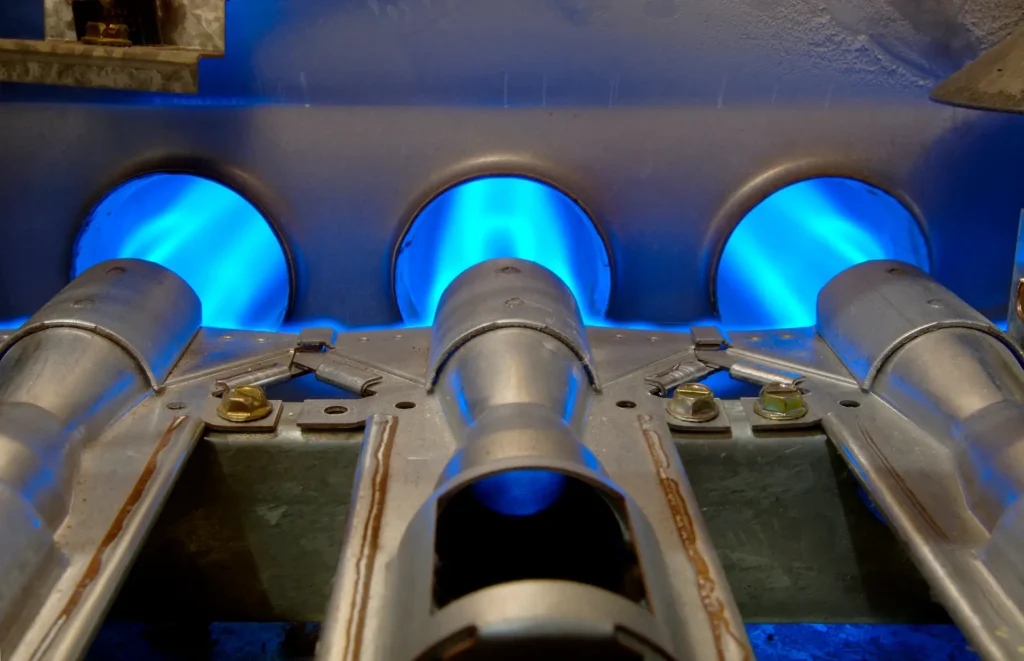
3. Inspect and Clean Combustion Components
Burners, ignition components and the flame sensor are checked and cleaned as appropriate. An older furnace with a pilot system needs different attention from a modern electronic-ignition model.
4. Check Gas Connections, Pressure and Combustion
Professional checks cover fuel connections, gas pressure and burner operation. These are technician tasks; homeowners should not adjust gas valves or attempt burner repairs.
5. Inspect the Heat Exchanger
The heat exchanger transfers heat while separating combustion gases from household air. Its condition matters. A technician looks for damage and explains whether a concern requires further evaluation or repair.
6. Check Venting and Combustion-Air Openings
Exhaust must leave through the intended venting system. Inspection includes accessible vent connections and, on applicable equipment, intake and exhaust piping for damage or obstruction.
7. Inspect the Blower, Electrical Components and Controls
The technician checks the components that move air and control operation, including wiring and relevant safety controls. Cleaning and service follow the equipment’s requirements; sealed motors, for example, should not receive unnecessary lubrication.
8. Check Condensate Drainage Where Applicable
High-efficiency condensing furnaces produce water during operation. Their drainage components need attention for blockages or leaks. This step does not apply in the same way to every gas furnace.
9. Run the System and Review the Findings
Operating checks help assess startup, heating performance and shutdown. Ask the technician to explain the results, any recommended work and the next maintenance steps. Keep that information with your furnace records.
For background on professional checks, see the ENERGY STAR maintenance checklist and Trane’s gas furnace maintenance guide.
Why Maintenance Matters During a Central Jersey Winter
Once heating becomes part of the daily routine, a furnace problem affects more than the thermostat reading. It can interrupt sleep, work and family plans. Maintenance gives you a scheduled opportunity to discuss concerns and understand your equipment’s condition.
- Support efficient operation. Addressing dirt and airflow restrictions helps the system work as intended. Savings vary with equipment condition, weather, energy prices and household use.
- Find developing problems. Inspections can reveal wear or operating issues before they become more disruptive. No tune-up guarantees a breakdown-free winter.
- Investigate comfort concerns. Uneven heating deserves a closer look; the cause may involve the furnace, controls or air distribution.
- Plan ahead. Service findings give you something concrete to use when weighing maintenance, repair and future replacement.
Carrier’s furnace service guide also explains how regular checks support reliability, efficiency and safety.
What Can Homeowners Do Between Visits?
Check the filter regularly and follow your equipment and filter instructions for replacement. Keep supply and return grilles clear of furniture. Leave space around the furnace for access, and keep stored items away from the equipment. Test carbon monoxide alarms according to their instructions.
Before a service visit, write down when a problem happens and which rooms are affected. Have previous service records handy if you have them. Leave internal cleaning, electrical testing and gas-system work to a qualified technician.
When You Need Repair Instead of a Tune-Up
If the furnace will not heat, repeatedly shuts down or develops unusual noises, describe those symptoms when booking. An active problem may call for professional furnace repair rather than a routine maintenance appointment.
If you smell gas or a carbon monoxide alarm sounds, leave the home immediately. Call 911 or your gas utility from a safe location outside. Do not operate switches, attempt a restart or investigate the source yourself. Review PSE&G’s gas and carbon monoxide safety guidance.
When repairs become frequent or a major problem is found, ask for a comparison of repair costs, equipment condition and replacement options. Our heating installation services are a next step for homeowners considering a new system. Maintenance findings can inform that decision without making replacement automatic.
Gas Furnace Maintenance FAQs
How often should a gas furnace be serviced?
Plan for professional maintenance annually, following the manufacturer’s requirements. Fall is a useful reminder, before the main heating season. If you missed that window, ask about arranging service now rather than waiting another year.
Does a furnace need maintenance if it still heats the house?
Yes. Producing heat does not tell you whether every component is operating properly. Maintenance checks areas a homeowner cannot assess just by feeling air at a vent.
Is replacing the filter enough?
No. Filter care supports airflow, but it does not replace checks of combustion, venting, electrical components and controls.
How long does a furnace tune-up take?
Timing depends on the equipment, access, condition and scope of service. Ask for an estimate when booking, and let the team know about existing symptoms or access limitations.
Will a tune-up fix uneven heating?
It may identify a contributing issue, but uneven temperatures can have several causes. Tell the technician which rooms are affected so the next step fits the problem.
Plan Your Furnace Maintenance with Anthony’s
Have questions about your gas furnace before winter settles in? Anthony’s Home Services helps homeowners in Somerset and across Central Jersey with maintenance, repairs and heating installation. Contact our team to discuss your furnace and arrange service.