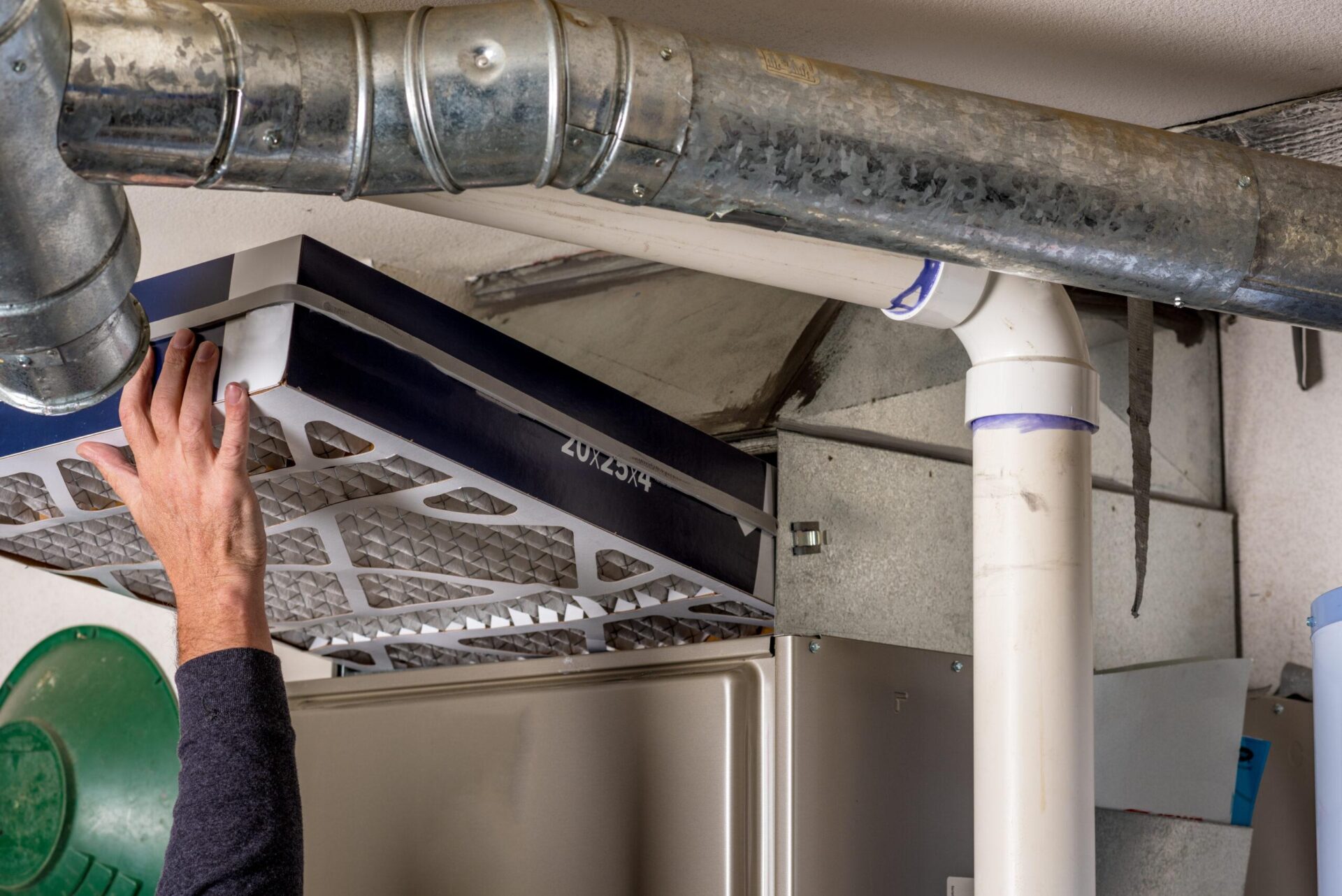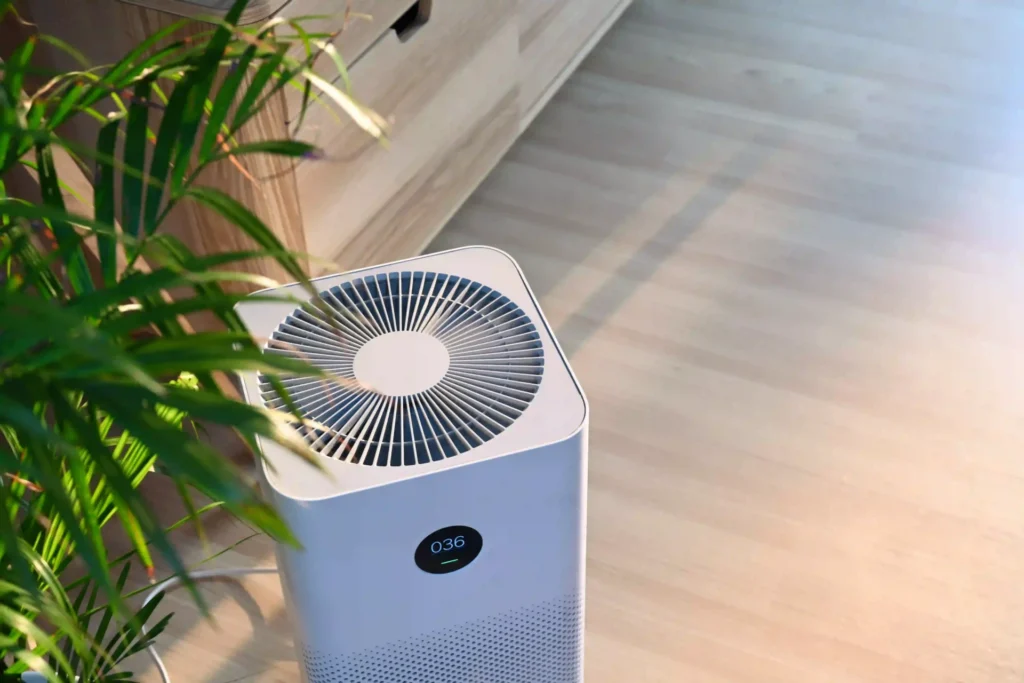
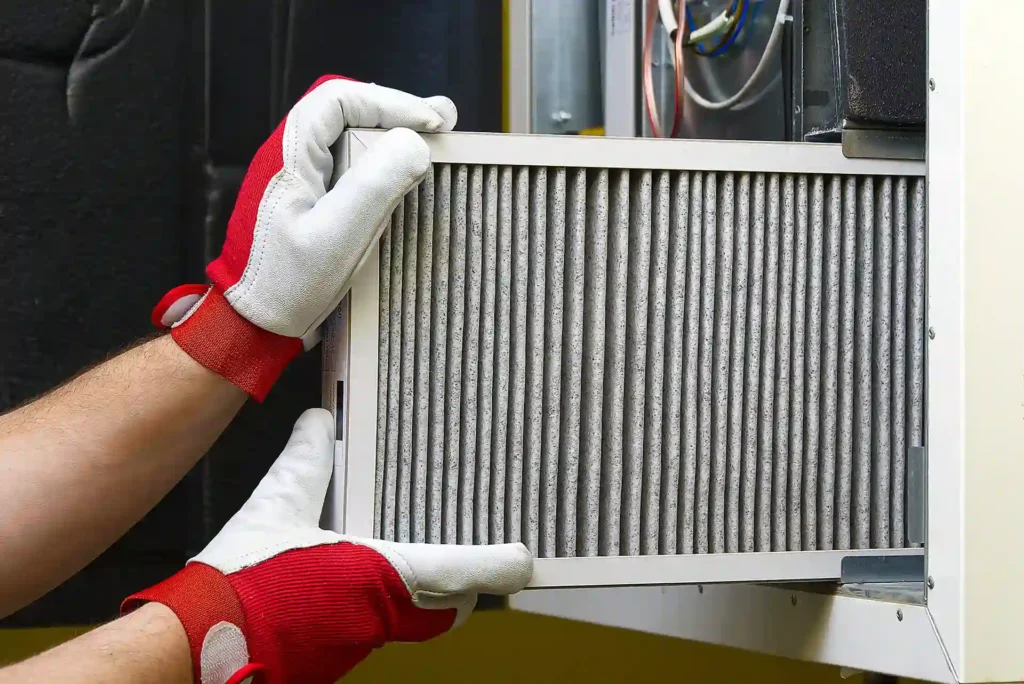
When most homeowners in Somerset, NJ, think about “air filtration,” they often picture the inexpensive, 1-inch blue fiberglass filter found at the local hardware store. However, the air filtration system in a modern New Jersey home is responsible for much more than just keeping dust off your AC coils. At Anthony’s Home Services, we view air filtration as a critical pillar of your home’s health and the longevity of your HVAC equipment.
The average modern home in Central Jersey is built to be incredibly airtight to maintain energy efficiency during our humid summers and freezing winters. While this is great for your PSE&G or JCP&L bills, it often creates a “sealed box” effect that traps pollutants inside. Without a robust filtration strategy, your HVAC system simply recirculates pet dander, pollen, mold spores, and fine dust particles 24 hours a day. Our professional air filtration services focus on upgrading your system’s ability to “catch” these contaminants, significantly improving your indoor air quality (IAQ) and protecting your family’s respiratory health.
Whether you are dealing with seasonal allergens from the lush Somerset County landscape or the unique dust challenges found in our suburban environment, Anthony’s Home Services is here to ensure the air inside your home is as pure as possible. We don’t just swap out filters; we engineer filtration solutions that work with your specific ductwork and airflow requirements.
Understanding MERV Ratings and Filter Efficiency
Not all filters are created equal. Air filters are categorized by their MERV (Minimum Efficiency Reporting Value) rating, which scales from 1 to 16 for residential systems. Understanding these ratings is key to choosing the right level of protection for your Somerset household without accidentally damaging your HVAC equipment.
- MERV 1–4: These are standard fiberglass filters. They are primarily designed to protect your furnace and AC unit from large “dust bunnies” and debris, but they do almost nothing to improve the quality of the air you breathe.
- MERV 5–8: A step up, these pleated filters can trap smaller particles like mold spores and hairspray. They provide a basic level of filtration suitable for homes without pets or significant allergy concerns.
- MERV 11–13: This is the “sweet spot” for high-efficiency residential filtration in New Jersey. These filters can capture lead dust, smoke, and microscopic allergens, making them ideal for families with pets, children, or allergy sufferers.
- MERV 14–16: These are near-HEPA quality and are often used in medical facilities or by homeowners with severe respiratory conditions like asthma or COPD.
At Anthony’s, we help you navigate these ratings. It is important to note that a higher MERV rating isn’t always better for every system. A filter that is too “thick” or dense can restrict airflow, causing your blower motor to work harder, leading to higher energy bills and potential system failure. Our technicians ensure your filtration upgrade is perfectly matched to your HVAC system’s static pressure capacity.
The Benefits of Upgrading Your Home’s Air Filtration
Investing in a professional filtration system offers more than just “fresher” air. It is a comprehensive upgrade to your home’s environment and mechanical longevity.
How Does it Help My Home?
- Dramatic Allergy Relief: By trapping pollen and dander at the source—the return air duct—we help reduce the sneezing, itchy eyes, and congestion that plague many New Jersey families during the heavy spring and fall pollen seasons.
- Cleaner Surfaces and Less Chores: Tired of seeing a layer of dust on your furniture every two days? High-efficiency filtration pulls dust out of the air before it has a chance to settle on your tables, shelves, and electronics.
- HVAC System Longevity: Dust is the leading cause of HVAC failure in our region. By keeping the internal coils and motors clean, a high-quality filter prevents expensive breakdowns and maintains peak energy efficiency.
- Protection Against Smoke and VOCs: Modern high-efficiency filters, especially those with carbon layers, are capable of trapping smoke particles and even some chemical vapors, providing a layer of defense during high-pollution days or nearby industrial activity.