In Central New Jersey, fall is short. The leaves turn in October, the first frost usually shows up by late October or early November, and by December your heating system is running every day. That gives homeowners a narrow window to get ready, and once it closes, small problems turn into no-heat calls, frozen pipes, and flooded basements.
At Anthony’s Home Services, we’ve helped families in Somerset and across Central Jersey prepare for winter since 1987. This fall home maintenance checklist covers what to handle before the cold sets in, organized by system so you can work through it one area at a time.
Why Fall Prep Matters More in New Jersey
Homes in warmer climates can get by with a quick heater check. Here, winter is a full season. Your furnace, boiler, or heat pump may run for five months straight. Pipes in exterior walls and crawl spaces face weeks of freezing nights. Nor’easters and ice storms bring heavy rain, snow, and power outages.
Fall is the last stretch of mild weather where you can inspect, repair, and replace things on your own schedule. It’s also when service calendars are still open. Once the first cold snap hits, heating calls pick up fast across the region.
Heating System Checklist
Schedule a Professional Heating Inspection
This is the most important item on the list. A technician cleans burners or heat exchangers, tests safety controls, checks for gas or exhaust leaks, and replaces worn parts before they fail. Our post on why early fall is the smartest time for a heating tune-up explains why timing matters.
The right visit depends on your system:
- Furnaces: furnace maintenance covers the ignition system, flame sensor, blower, and venting.
- Boilers: boiler maintenance checks water pressure, the expansion tank, circulator pumps, and relief valves.
- Heat pumps: heat pump maintenance tests the defrost cycle and backup heat, which matter a lot during New Jersey cold snaps.
Check our fall heating inspection special before you book.
Bleed Your Radiators
If your home has a hot water boiler, air can get trapped in the radiators over the summer. You’ll notice radiators that are warm at the bottom and cold at the top, or a gurgling sound when the heat comes on. Bleeding each radiator with a radiator key releases the trapped air so heat spreads evenly. If problems continue, schedule boiler repair.
Replace Your Furnace Filter
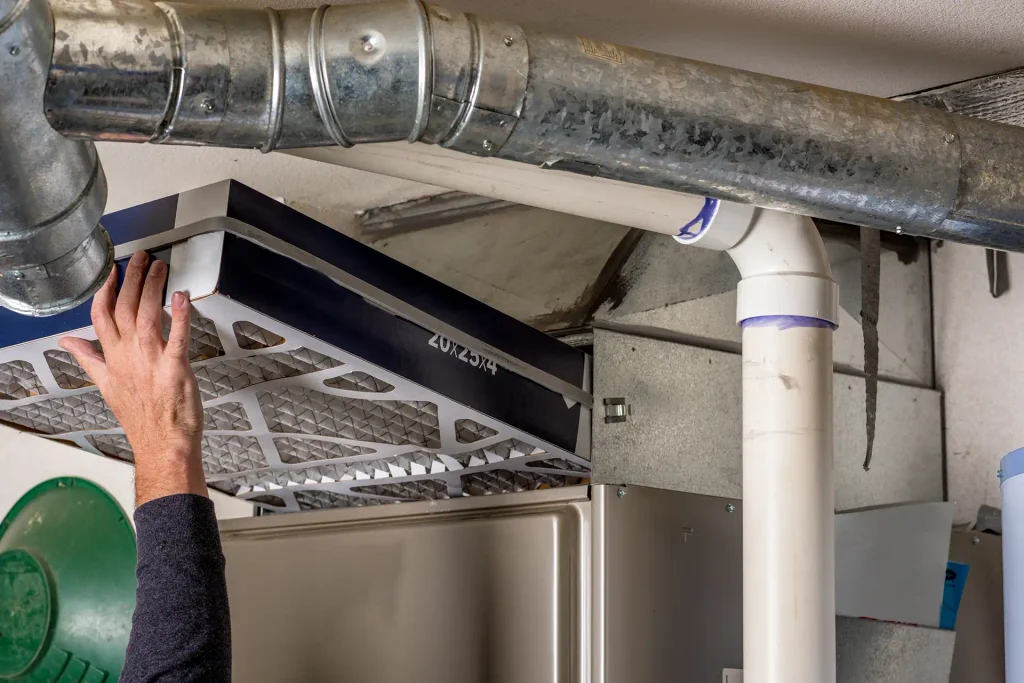
A clogged filter restricts airflow, makes your system work harder, and raises your heating bill. Start the season with a fresh filter and check it every month through winter. If anyone in your home deals with allergies or asthma, ask about upgraded air filtration.
Test Your Thermostat
Switch to heat and raise the setting a few degrees. The system should respond within a few minutes. Replace the batteries if it has them. If your thermostat is old or hard to program, a smart thermostat can lower the temperature while you sleep or work and save energy all winter.
Plan for Dry Winter Air
Cold New Jersey air holds very little moisture, and running the heat dries it out even more. That leads to static shocks, dry skin, cracked wood floors, and irritated sinuses. A whole-home humidifier works with your heating system to keep humidity in a comfortable range. For quick fixes, see our tips to boost your home’s humidity.
Plumbing Checklist
Shut Off and Drain Outdoor Faucets
This is the most common cause of fall and winter pipe bursts we see. Before the first hard freeze:
- Disconnect and drain every garden hose
- Close the indoor shutoff valve that feeds each outdoor faucet
- Open the outdoor faucet to let remaining water drain out
- Drain and shut down any lawn irrigation system
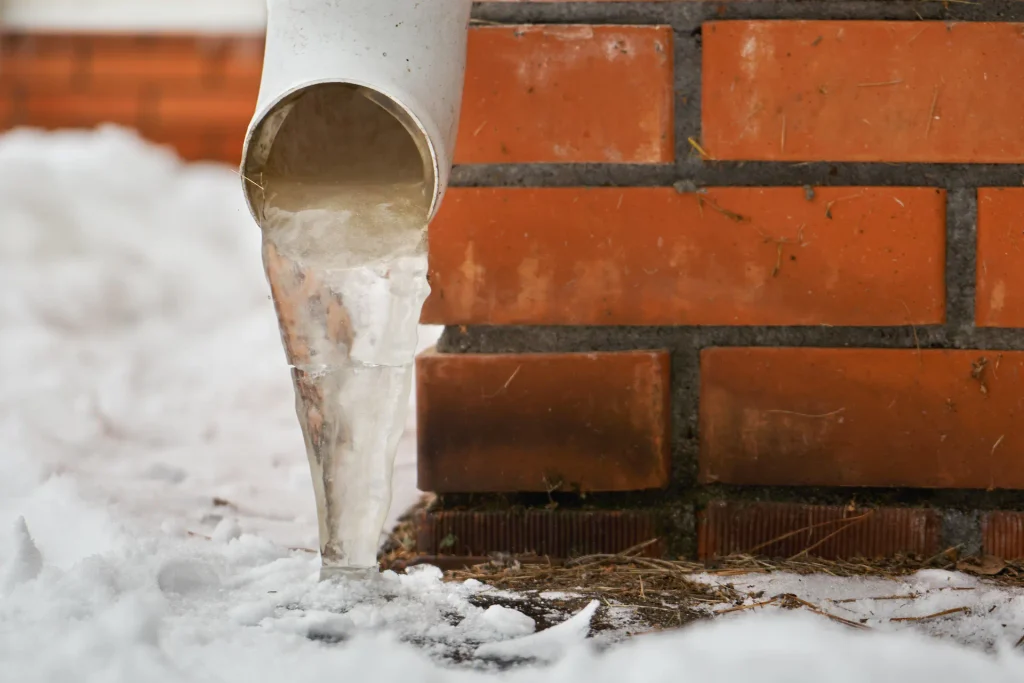
A hose left connected, even on a frost-free faucet, can trap water and cause the pipe to split inside the wall.
Insulate Exposed Pipes
Pipes in unheated basements, crawl spaces, garages, and exterior walls are the most likely to freeze. Wrap them with foam pipe insulation and seal drafts near where pipes enter the house. Read our full guide on how to protect plumbing pipes from freezing. If a pipe has already frozen or burst, call for frozen and burst pipe repair right away.
Want a professional set of eyes on your plumbing before winter? See our plumbing check and winterization special.
Flush and Inspect Your Water Heater
Your water heater works its hardest in winter, when incoming water is close to freezing. Flushing the tank removes sediment that cuts efficiency and causes rumbling noises. A technician can also test the pressure relief valve and check the anode rod. Learn how to prepare your water heater for winter, or look at our water heater flush and inspection special. Noticing leaks or inconsistent hot water? Schedule water heater repair.
Clear Your Drains
Fall is a good time to clear slow drains before holiday cooking and houseguests put extra strain on your plumbing. Our post on the benefits of a fall drain cleaning explains why. For stubborn clogs or slow drains throughout the house, schedule professional drain and sewer cleaning.
Test Your Sump Pump
Fall rain, nor’easters, and spring snowmelt can all push water into New Jersey basements. Storms like Ida in 2021 showed how fast that can happen in Somerset County. Test your sump pump by slowly pouring a bucket of water into the pit. The pump should turn on, empty the pit, and shut off on its own.
Make sure the discharge line is clear and drains away from your foundation. A pump without backup power won’t help during an outage, which is exactly when storms hit. Read why you need a battery backup sump pump, or schedule sump pump service.
Safety and Electrical Checklist
Test Smoke and Carbon Monoxide Detectors
Heating season is when carbon monoxide risk is highest, since furnaces, boilers, water heaters, and fireplaces all run more often. Test every smoke and CO detector, replace the batteries, and replace any detector older than its expiration date. Make sure there’s a CO detector on every level of your home and near sleeping areas. Need new detectors installed or hardwired? Our electricians handle smoke and CO detector installation.
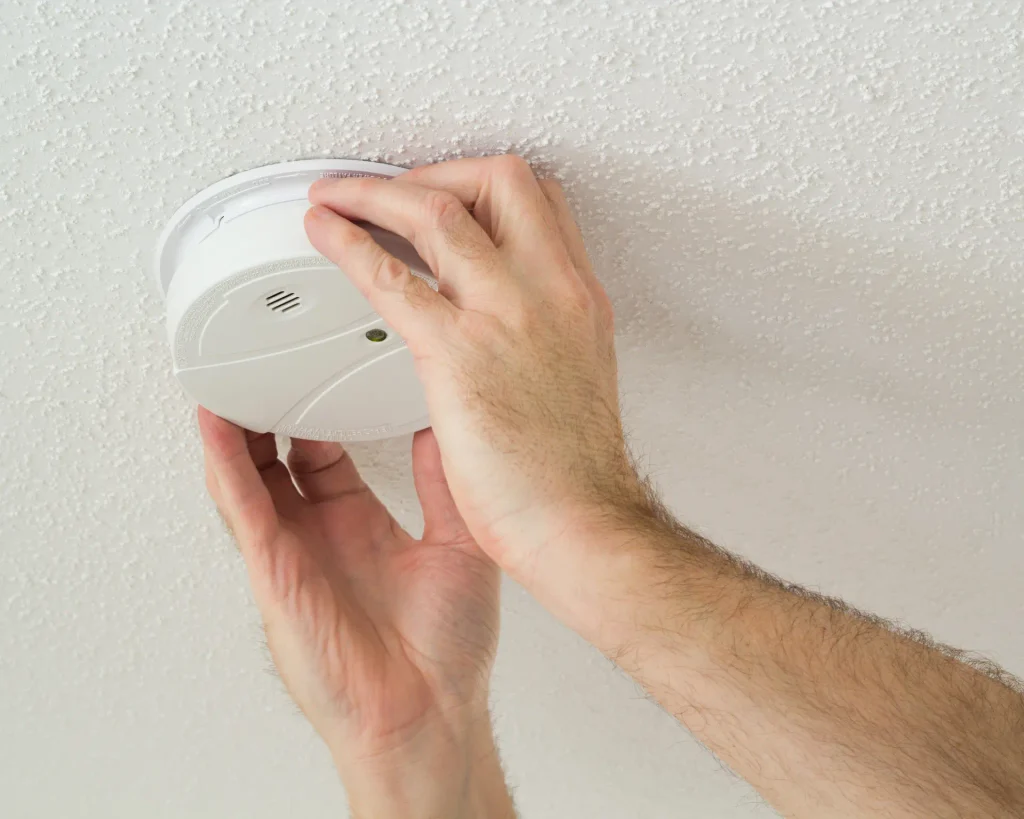
If you use space heaters, review our post on why space heaters pose a fire risk before winter.
Check Gas Lines and Appliances
If you smell rotten eggs near a gas appliance, leave the house and call for help right away. For older homes or any new gas appliance, our team handles gas line installation and repair.
Get Your Generator Ready
Ice storms and nor’easters knock out power across Central Jersey every winter. Without power, your furnace or boiler stops, your sump pump stops, and your pipes start cooling down. If you have a standby generator, run it under load, check the oil, and confirm the transfer switch works. If you don’t have one, fall is a good time to explore whole-house generator services before the first big storm. Existing units that won’t start or run rough need generator repair.
When power comes back after an outage, surges can damage HVAC controls and appliances. Whole-home surge protection guards every circuit at the panel.
Around the House
- Clean the gutters after most leaves fall so meltwater drains away from your foundation instead of into the basement.
- Clear your AC condenser of leaves and debris. If it struggled this summer, a fall AC tune-up gets repairs out of the way before spring.
- Seal drafts around windows and doors to cut heating costs.
- Check your ductwork. Leaky ducts in attics and crawl spaces waste heated air all winter. Duct sealing keeps that heat where you want it.
Your Fall Checklist at a Glance
- Schedule a furnace, boiler, or heat pump inspection
- Bleed radiators (boiler homes)
- Replace the furnace filter
- Test the thermostat in heat mode
- Check humidity levels and humidifier operation
- Shut off and drain outdoor faucets and irrigation
- Insulate exposed pipes
- Flush the water heater
- Clear slow drains
- Test the sump pump and backup
- Test smoke and CO detectors
- Run the generator under load
- Clean gutters and clear the AC condenser
- Seal drafts around windows and doors
Frequently Asked Questions
When should I start fall home maintenance in New Jersey?
Late September through October is ideal. You want heating inspected and outdoor plumbing shut down before the first hard freeze, which often arrives in late October or early November in Central Jersey.
When should I shut off my outdoor faucets?
Before the first night forecast to drop below freezing. Many homeowners use Halloween as an easy reminder.
Do I need a heating inspection every year?
Yes. Annual inspections catch worn parts and safety issues like cracked heat exchangers or venting problems before winter. Most manufacturers also require yearly maintenance to keep warranties valid.
Is there an easier way to keep up with seasonal maintenance?
Our Preferred Partner Plan includes annual inspections, priority scheduling, and member savings, so your home gets checked every year without you having to remember.
Get Your Home Ready for Winter With Anthony’s
Anthony’s Home Services handles heating, plumbing, electrical, and indoor air quality, so one call can cover most of this checklist. We serve Somerset and communities across Central Jersey, including Princeton, East Brunswick, Lawrence Township, Hightstown, and more.
Call (908) 308-2635 or schedule service online to book your fall visit. See all of our current specials before you book.